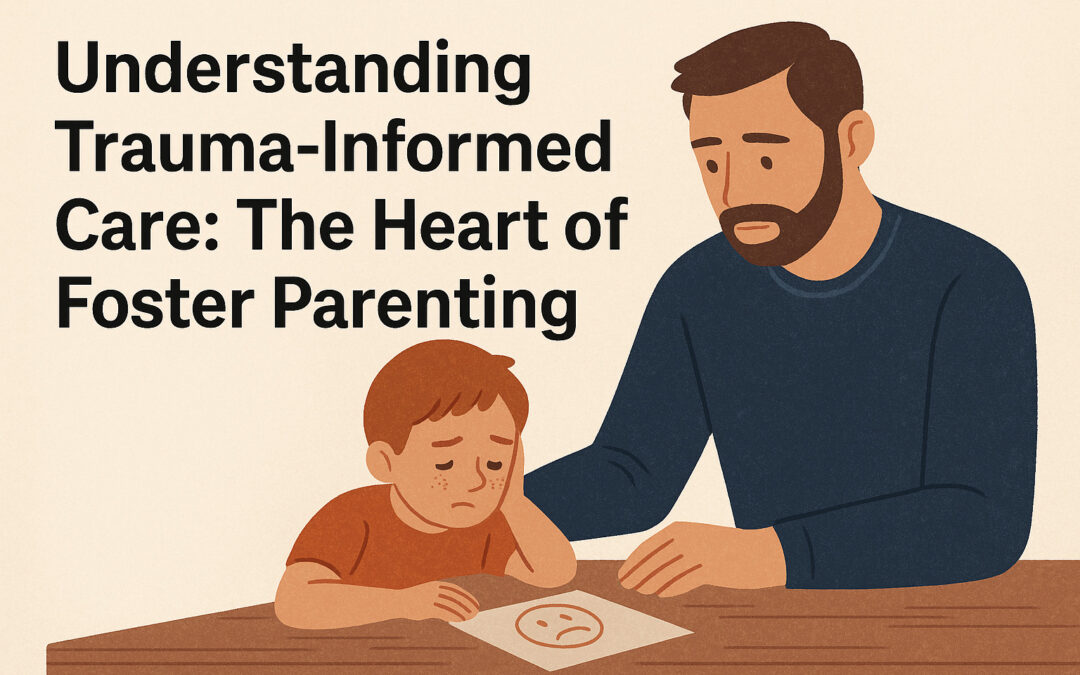
Over the years, my wife and I have opened our doors to kids who needed a place to stay—sometimes for a weekend, for months, and in some cases, we made them ours permanently. And while every placement has been different, there’s been one thing in common: trauma. Not the kind you always see in movies or headlines, but the quieter kind that lingers in a child’s body and shows up when you least expect it. I’ve seen it in kids who flinched when I raised my voice, who hoarded food in their blankets, who had night terrors so sinister they couldn’t sleep in the dark. Some grew up in homes where they were deliberately ignored, neglected, or abused. Others came out of situations I won’t write down—but they’re still carrying the scars.
Foster care is not all rainbows and puppies like what most people think it is. It’s not just a paycheck to have a few kids live with you. It’s not just “saving a child” or “giving them love.” Don’t get me wrong, love helps, but it’s not always enough. These kids don’t just need affection. They need healing. They need structure. They need routine. But what they need most is someone who doesn’t take their outbursts personally. Someone who is that safe adult who understands that lying, stealing, or shutting down is how they survive. The one thing I have learned over the last 8 years on my own is trauma-informed care. This is what I have learned on how to parent children who live with their trauma, and that is what they need.
That’s why I’m starting a new blog series right here on McRobswell. It won’t be every week, but I will be writing about the realities of foster parenting from a trauma-informed lens and experiences. These won’t be glossy, sugar-coated posts. They’ll be real. Honest. Sometimes hard. They’ll draw from my own experiences, from the lack of training we’ve had, and from the lessons we learned the hard way.
This series is for other foster parents, especially those who have felt overwhelmed, underprepared, or alone. If you’ve ever had a kid walk into your house and you immediately knew this was going to be more complicated than you expected. This is for you. If you’ve ever felt like a failure because your house didn’t feel “safe enough” to calm their storm. This is for you, too.
I’ll be covering things such as why trauma-informed parenting matters, how fight, flight, freeze, and fawn show up in foster kids, what to expect in the first 48 hours of a placement possibly, and how to handle grief, anger, testing, and shutdowns. I’ll talk about sibling bonds, disrupted placements, cultural identity, and how to keep yourself grounded without guilt. I’ll also be weaving in Native cultural values and wisdom because I’ve seen firsthand how important it is for Native children to be raised in ways that honor who they are and where they come from. My wife is Native, and that connection has opened my eyes to the importance of kinship, ceremony, and belonging, especially when systems try to erase it.
Each post will be on my experiences. Each piece will be something that you can sit with, share, or return to when you need it. I’m not promising to have all the answers, but I am committed to telling the truth about this work. Because while foster parenting can be beautiful, it can also break your heart, and no one should have to do it alone.
So, if you’re walking this path, welcome, know you’re not too soft for this. You’re not too tired. You’re exactly the kind of person who’s needed. I hope this series can offer some clarity, encouragement, and maybe even a little peace on the hard days.
Thanks for being here.
—Tim